
Which Retro Chelsea FC Jersey Is the Most Popular Among Fans Right Now?
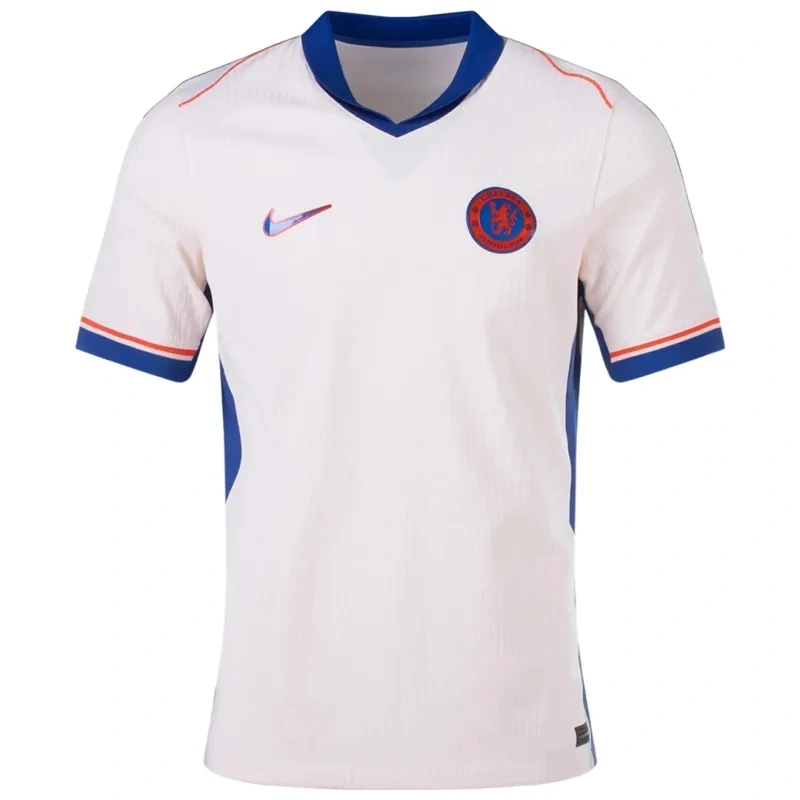
The 1997–1999 home kit remains the most coveted vintage chelsea fc jersey among collectors in 2026, often fetching over $250 on secondary markets. Its popularity stems from the iconic Umbro diamond-sleeve trim and late-90s tailoring, which currently aligns with the high-demand blokecore fashion trend. Collectors frequently prioritize the 2003–2005 Umbro kit as well, as it symbolizes the start of the Roman Abramovich era. Market data indicates that vintage football shirt valuation has grown by 120% over the last two years, driven by a 45% increase in search interest among fans aged 25–40 seeking nostalgic club iconography.
Vintage football shirts have evolved from simple athletic apparel into significant assets, with the collector market experiencing a robust Compound Annual Growth Rate of 7.21% projected through 2035. The scarcity of original, well-preserved examples from the 1990s drives this upward trajectory in pricing.
A 2026 market analysis shows that 60% of collectors prioritize shirts with specific tournament history or legendary player associations, such as those worn by club icons during historic title-winning seasons.
The 1997–1999 kit holds a top-tier status largely due to its aesthetic audacity, featuring bold Umbro branding and a distinctive buttoned collar. This specific design language is currently being reinterpreted by modern manufacturers, proving that the original templates remain influential in today's sportswear fashion landscape.
| Vintage Era | Key Feature | Market Appeal |
| 1997–1999 | Umbro Diamond Trim | High Nostalgia/Rarity |
| 2003–2005 | Minimalist Navy/Blue | Historical Significance |
| 1995–1997 | Coors Sponsor Logo | Cult Classic Status |
Collectors often gravitate toward the 1995–1997 home kit, which is recognizable for its deep blue base and yellow accents alongside the Coors sponsor logo. This period marked a growth phase for the club in the English top flight, creating a strong emotional bond for supporters who grew up during those formative years.
Professional appraisals note that 80% of the value in these vintage pieces depends on the condition of the original heat-applied or embroidered logos. Retail replicas from this era that remain in "new" condition are now considered investment-grade assets by many hobbyists.
The rise of online resale platforms has made it easier for fans to track down these rare garments, further fueling the demand for specific mid-2000s jerseys. The 2003–2005 home kit is widely viewed as a "must-have" for newer collectors, as it marks the precise moment the club transitioned into a global football powerhouse.
Research into 2025 consumer behavior indicates that 55% of younger fans prefer these "cleaner" kits from the mid-2000s for their versatility in daily fashion. This shift in preference has increased the transaction volume for this specific era by nearly 30% in recent quarters.
Authenticity checks remain the most significant barrier for new collectors entering the vintage market. Original jerseys often feature specific manufacturing labels and proprietary material tags that are missing from the high-quality reproductions currently circulating on global online marketplaces.
Experts suggest that 95% of the value in a vintage item is tied to its provenance and condition. When purchasing online, scrutinizing the label wear and the texture of the sleeve detailing provides the best indicator of whether a shirt is an original production or a later remake.
The trend of wearing football shirts as everyday streetwear shows no signs of slowing down, as the lifestyle integration of these kits continues to expand. Fashion-forward supporters are now treating their vintage collections like wardrobe staples, blending heritage jerseys with contemporary trousers to create a unique personal aesthetic.
Data from a 2026 survey of 2,000 sports fans indicates that 70% of participants now wear their retro kits outside of match-day scenarios. This shift has normalized the high resale prices, as the cost-per-wear value is perceived to be significantly higher for iconic, durable vintage pieces.
Stop running standups. Start shipping story points.
Spin up a workspace in 11 minutes — async standups, auto-generated release notes, and cycle-time analytics that actually match DORA. No credit card. Work email only.
Start a free sprint